
How to Care for Sweaters and Knitwear: Washing, Drying and Storage
Practical knitwear care tips for washing, drying, reshaping, removing pills and storing sweaters between seasons.
Good knitwear care begins before the wash. Friction, heat, stretching and crowded storage can change a sweater’s surface and shape, while small habits can help it stay presentable for longer. The care label on the individual garment is always the first authority because fiber blends and finishes require different treatment.
Use this guide as a general routine for pieces from the MAXCT women’s sweater collection and other knitwear. When the product label conflicts with general advice, follow the label.
Read the care label and check the construction
Before cleaning, identify the recommended water temperature, wash method and drying instructions. Look for decorative trims, faux-fur details, loose stitches, open knits and fastenings that may need extra care. Empty pockets and close buttons or zippers if doing so prevents snagging.
Turn the sweater inside out when the label permits. This reduces direct rubbing on the visible surface during washing.
Decide whether the sweater needs a full wash
Knitwear often does not need washing after every wear. Airing it in a well-ventilated place and spot-cleaning a small mark may be enough. Less frequent washing reduces friction and helps conserve water.
If there is a stain, blot rather than rub. Test any cleaning product on a hidden area first, and avoid strong stain removers unless the label confirms they are suitable.
Hand-washing basics
If the label allows hand washing, use cool or lukewarm water and a small amount of suitable gentle detergent. Submerge the sweater and press the water through it without aggressive rubbing, twisting or scrubbing. Rinse at a similar temperature to reduce sudden fiber stress.
- Support the wet garment with both hands when lifting it.
- Press out water gently; do not wring.
- Place it on a clean towel and roll the towel to absorb excess moisture.
- Move the sweater to a flat drying surface and reshape it to its original outline.
Machine washing when the label permits
Choose the recommended gentle cycle, place delicate knits in a mesh laundry bag and wash with similar soft items. Avoid loads containing hooks, rough hardware or heavy garments that create extra abrasion. Use the water temperature and detergent type specified on the label.
Do not assume that every item in the same category can use the same cycle. A rib-knit sweater and a trimmed coat-style knit may have very different instructions.
Dry flat to protect the shape
Wet knitwear can stretch under its own weight. Unless the label specifically allows tumble drying, lay the garment flat on a clean, dry surface with the shoulders, sleeves and hem arranged naturally. Keep it away from direct high heat and turn it over if needed for even drying.
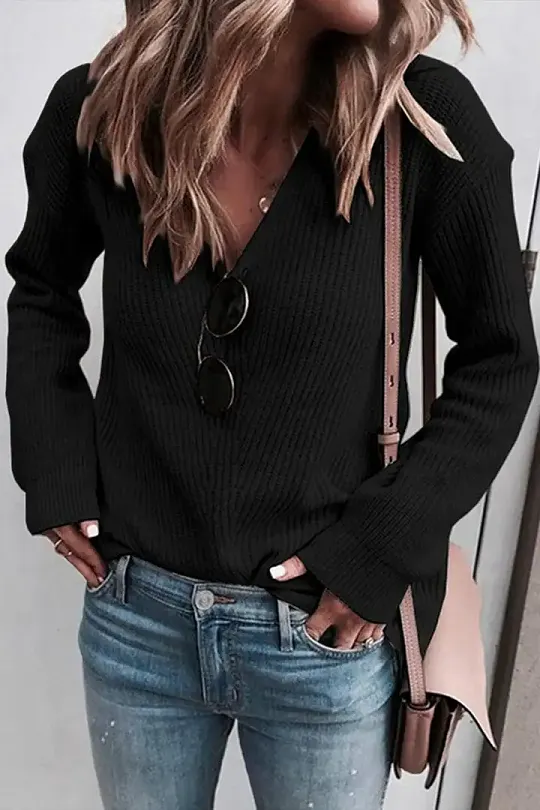
Avoid hanging a wet sweater from the shoulders. The weight can lengthen the body and sleeves or create hanger marks.
Reshape cuffs, collars and hems while damp
Use the garment’s seams as a guide. Gently align the side seams, smooth the body and return ribbed cuffs and collars to their normal width. Do not pull one section in isolation. If you know the original garment measurements, they can help you restore the intended dimensions.
Manage pilling without damaging the knit
Pills form when surface fibers rub together. Areas under the arms, beside a bag and along the sides often show them first. Place the dry sweater on a flat surface, hold the fabric steady and use a tool designed for fabric pilling with light pressure. Test in an inconspicuous area and stop if the knit catches.
Do not pull pills by hand. Pulling can draw more fiber from the yarn and make the area uneven.
Store sweaters folded
Folding usually supports knitwear better than hanging. Make sure garments are completely clean and dry before storage, then place heavier pieces at the bottom of a breathable drawer or container. Avoid overpacking, which creates deep creases and makes it difficult to see what you own.
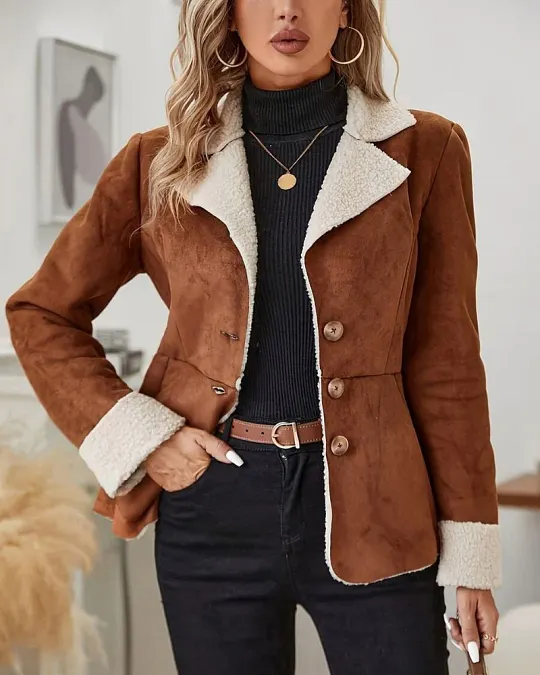
Reduce everyday friction
- Rotate sweaters rather than wearing the same piece on consecutive days.
- Choose bags with smooth contact points when wearing delicate knits.
- Keep sharp jewelry, rough zippers and hook-and-loop fasteners away from open-knit surfaces.
- Remove a jacket carefully instead of dragging it over textured sleeves.
Frequently asked questions
Can I hang sweaters?
Lightweight knits may tolerate careful hanging, but folding is generally safer for shape retention. Never hang a wet sweater unless the care instructions explicitly say to do so.
Why did my sweater change shape after washing?
Heat, agitation, unsupported lifting or hanging while wet can contribute. Review the care label and reshape the garment flat while it is still damp.
How often should I wash knitwear?
Wash when needed based on wear, odor, stains and the garment’s care guidance. Airing between wears can reduce unnecessary washing.
Once your knitwear is ready to wear, use our sweater styling guide to build practical layered outfits.