
How to Style Women’s Sweaters: 7 Easy Layering Ideas for Fall and Winter
A practical guide to choosing sweater silhouettes, balancing layers and building polished fall and winter outfits with MAXCT knitwear.
A great sweater does more than keep you warm. It can define the shape, color and mood of an entire outfit. The easiest way to build reliable cold-weather looks is to choose one strong knit, balance its volume with the rest of the outfit and add layers that can be removed as the temperature changes.
This guide explains seven wearable sweater formulas using pieces from the MAXCT women’s sweater collection. Use the ideas as a starting point, then adjust color, proportion and footwear to suit your wardrobe.
1. Start with a fitted turtleneck and relaxed trousers
A close-fitting turtleneck creates a clean base and works especially well with wide-leg trousers or relaxed denim. The contrast between a neat upper half and a fuller leg keeps the outfit balanced. If the sweater has a textured or colorful knit, keep the trousers simple so the details remain visible.
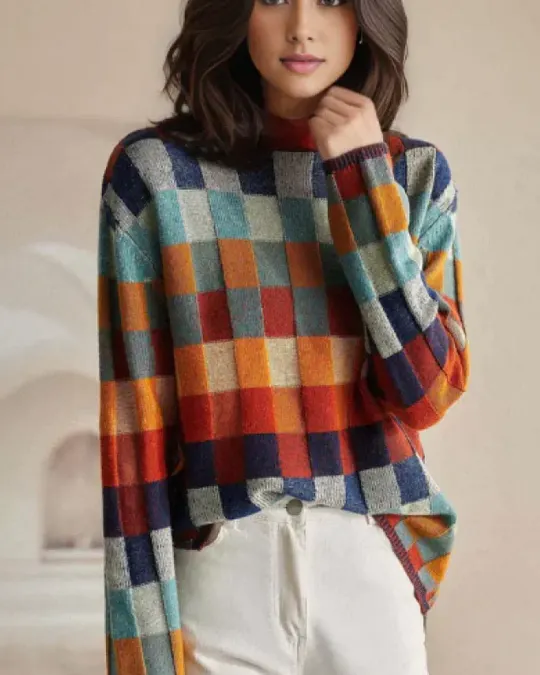
Try a front tuck when the knit is light enough, or let it fall naturally over high-waisted pants. A structured bag and simple boots make the combination feel intentional without making it formal.
2. Balance an oversized sweater with a defined lower half
Oversized knits look best when at least one other part of the outfit has definition. Pair a roomy sweater with straight jeans, slim trousers or a skirt that shows a clear waistline. You can also push up the sleeves to reveal the wrists and reduce visual bulk.
The Oversized Striped Long-Sleeve Sweatshirt introduces pattern while remaining easy to coordinate. Repeat one stripe color in your shoes or bag to create a connected look.
3. Use a long cardigan as a soft outer layer
A long cardigan adds warmth without the structure of a coat. It works well over a fitted tee, a lightweight knit or a simple dress. Keep the base layer relatively streamlined, then allow the cardigan to create the vertical line.
For an everyday combination, wear a solid long open cardigan with a monochrome top and trousers. Similar colors lengthen the silhouette; contrasting colors make the cardigan the focal point.
4. Let color do the styling work
A colorful sweater needs fewer accessories because the knit already provides visual interest. Choose one neutral color from the design and repeat it below the waist. Denim, black trousers and cream skirts are dependable options.
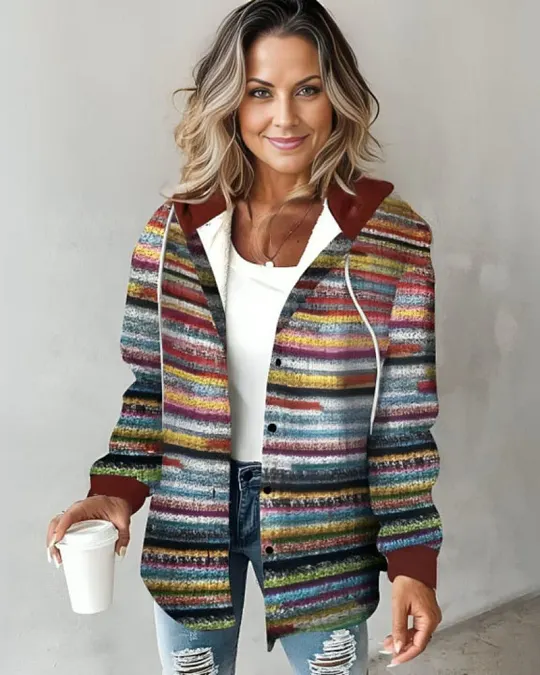
When the sweater includes a hood, avoid adding a bulky scarf unless the weather requires one. A clean neckline helps the hood sit naturally and keeps the upper half from feeling crowded.
5. Layer a sweater under a coat without adding bulk
The key to coat layering is matching the thickness of the knit to the room inside the coat. A fitted or medium-weight sweater usually sits more comfortably under tailored outerwear, while a chunky knit needs a coat with a relaxed armhole and wider sleeve.
Before committing to an outfit, raise your arms and bend your elbows. If the coat pulls across the shoulders, choose a lighter knit or a roomier outer layer. The Coat With Buttons And Faux Fur offers a finished cold-weather layer for dressier sweater combinations.
6. Build a tonal outfit with texture
Tonal dressing uses several shades from the same color family. Cream with oatmeal, brown with camel, or charcoal with black can look sophisticated even when every item is comfortable. Because the colors are close, texture becomes important: combine ribbing, smooth denim, soft knit and structured leather-like accessories.
A Solid Rib-Knit V-Neck Sweater is a useful tonal layer because the ribbed surface adds depth. Wear a thin base layer underneath when you want more coverage at the neckline.
7. Turn a sweater into an evening-ready outfit
Knitwear can work after dark when the proportions and accessories are refined. Choose a sweater with a clean neckline, tuck it into a sleek skirt or dark trouser, and add a compact bag. Jewelry near the face draws attention upward, while a pointed or heeled shoe sharpens the overall line.
If the sweater itself is highly textured, use fewer accessories. If it is minimal, a statement earring or layered necklace can add contrast. Browse MAXCT jewelry and earrings for finishing pieces.
A simple sweater outfit checklist
- Choose the focal point: color, texture, shape or accessories.
- Balance volume: pair a roomy top with a clearer waist or straighter lower half.
- Check movement: make sure every layer remains comfortable when you sit and raise your arms.
- Repeat one detail: echo a color or texture elsewhere in the outfit.
- Dress for the real temperature: use removable layers instead of relying on one very heavy piece.
Frequently asked questions
What should I wear under an itchy or textured sweater?
A smooth, lightweight base layer can create separation between the knit and your skin. Choose a neckline that stays hidden or deliberately make it part of the outfit.
How do I keep an oversized sweater from looking shapeless?
Show some structure through the waist, wrists or footwear. A partial tuck, pushed-up sleeves, straight-leg pants or a defined boot can all create a clearer outline.
Can I wear a sweater with a dress?
Yes. Wear a cardigan over the dress, or layer a sweater on top so the dress works like a skirt. Keep the hemlines visually separated and avoid combining too many bulky layers.
Explore the full women’s sweater collection and save the silhouettes that work with pieces you already own. A useful sweater wardrobe is not about having the most options; it is about having a few reliable shapes that can be layered in different ways.